


Grandmacore for the Win
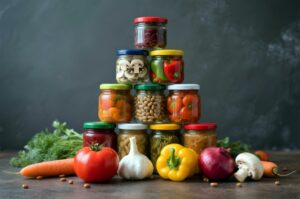 When I was in school, the subject of home economics was, to put it politely, considered past its prime. Homemade clothes were uncool, and acceptable snacks were of an unnatural chemistry impossible to replicate in a common kitchen. Scratch cooking was woefully Little House on the Prairie or, for the grimly imaginative, witches of Macbeth.
But that was then. Now there’s a sudden resurgence of “analog” crafts, aka Grandmacore hobbies, especially among younger consumers. For those who remember disdaining Home Ec, one might be forgiven a touch of whiplash as sewing, knitting, quilting, baking, gardening, and canning trend like mad. After years of having to hunt for supplies, retail options cram my social media feed.
Why? Breaking free of the relentless doom scroll is an obvious reason to take up, well, just about any hobby. A pastime that hones life skills is even better. Both the pocketbook and the landfill benefit if one knows how to mend or cook a basic meal: less waste, less packaging, more value. And, something made by human hands is just nicer, whether it’s a Christmas gift or dinner. It carries a bit of the maker with it in a lovely and personal way.
Peak Grandmacore includes canning and preserving. I’ve done a little, so when the subject came up among friends, I stuck my hand up to participate in a pickle-making session as I had some of the necessary equipment. So it was that three of us gathered to produce six dozen jars of crunchy dill delights. For anyone curious, this is the basic recipe we used. 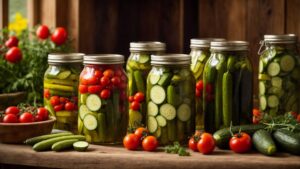
One friend purchased the cucumbers and dill from a local farmer, so they were absolutely fresh when they arrived in my kitchen, still smelling of sunshine and a salt bath. The next hours were all about fragrant spices, sparkling clean jars, chatter, snacks, steam, and shared work. Women have always known how to divide and conquer complex tasks—just ask Macbeth’s witches. There is a magical connection in shared physical labor that can’t be replicated online.
And this another key attraction for breaking out the ladles and crochet hooks—community. Sewing bees and quilting circles have long existed as an excuse for getting together based on shared crafting goals. Friendship and creative communion are a powerful mix. It’s living real life in the best possible way.
My grandmother—the one who taught me how to bake when I could barely reach the counter—would be gratified that the younger generations are finally figuring this out.
Dill pickle recipe:
Here are the ingredients we used:
For the bottom of each quart jar:
1/8 tsp calcium chloride (for crispness)
1tsp mustard seeds
1tsp black peppercorns
¼ tsp red pepper flakes
2 or 3 peeled garlic cloves
Head and ferns of fresh dill (put some on top as well)
The brine recipe:
8 cups water + 8 cups vinegar + heaping 1/3 cup of granulated sugar.
These are the very basic instructions. I recommend watching this video , especially if you haven’t used a water bath for canning before. Put the spices in sterilized canning jars, fill with clean pickling cucumbers and top with brine (leave about ½ inch at the top). Poke with a chopstick to release any bubbles. Seal until finger tight. Process in a water bath per instructions in the video. Let cool and then tighten seal. Leave 4 to 6 weeks before consuming.
Please note this process involves pots of boiling water and other hot equipment. Although I paid the price in feline wrath afterward, I locked my oh-so-curious cats upstairs during the process for everyone’s safety.